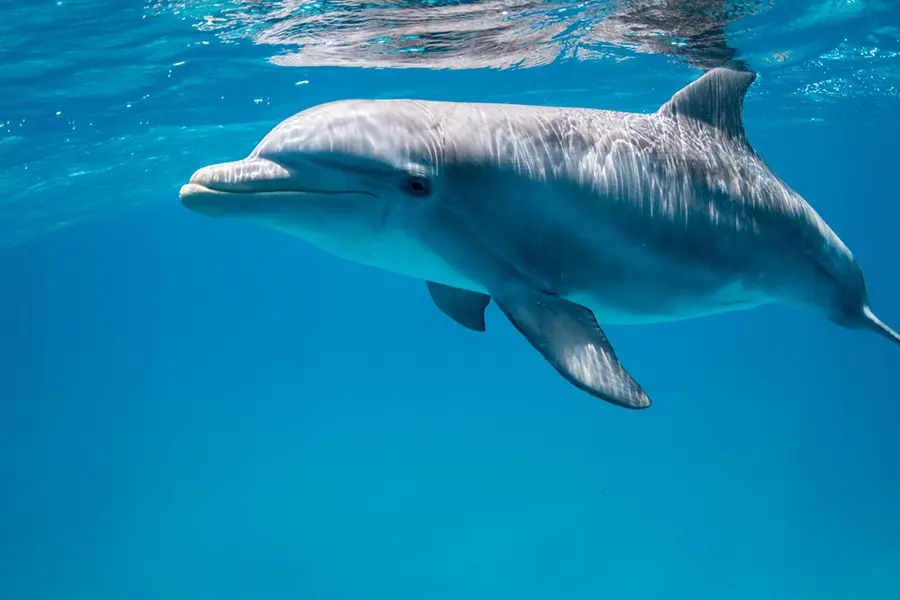
Why Dolphin Conservation Matters for Our Oceans
Dolphins are an important part of marine ecosystems. Their presence in oceans around the world reminds us of the remarkable biodiversity that exists beneath the surface.
However, many dolphin populations face challenges caused by pollution, fishing activities, habitat degradation, and other human-related pressures.
Understanding the importance of dolphin conservation is a meaningful step toward protecting marine life and preserving healthier oceans for future generations.
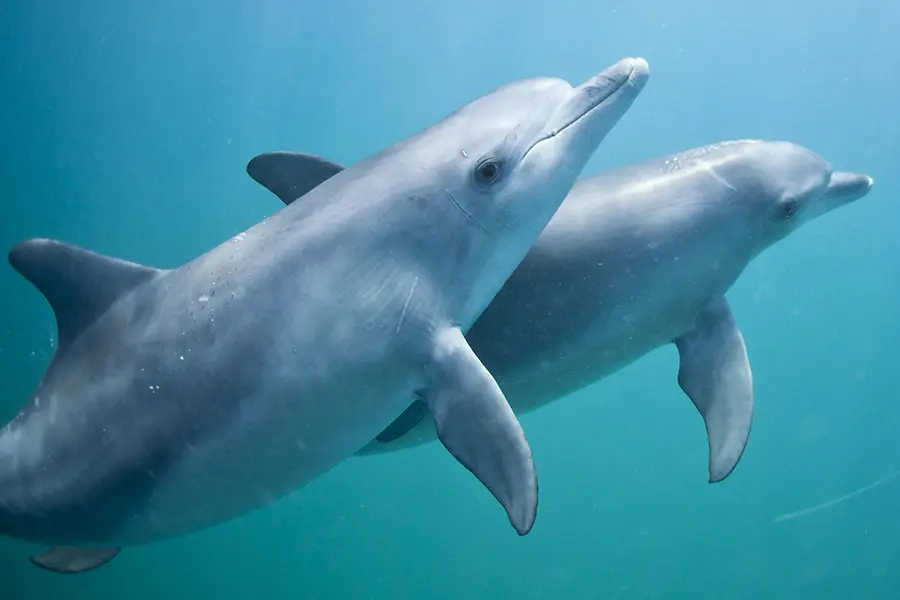
The Role of Dolphins in Marine Ecosystems
As predators, dolphins participate in marine food webs by feeding on fish, squid, and other marine organisms.
Their ecological roles vary depending on the species, habitat, and available food sources.
Studying dolphin populations can also provide valuable information about changes in marine environments, including prey availability and ecosystem conditions.
Protecting dolphins therefore contributes to broader efforts to understand and conserve ocean biodiversity.
Major Threats Facing Dolphins
Marine Pollution
Plastic waste, chemical contaminants, and other forms of pollution can negatively affect marine wildlife.
Dolphins may become entangled in discarded fishing equipment or be exposed to harmful substances that accumulate within marine food webs.
Accidental Capture in Fishing Gear
Bycatch occurs when marine animals are unintentionally caught during fishing operations.
Dolphins can become trapped in certain nets or fishing gear, sometimes resulting in serious injuries or death.
Reducing bycatch is an important objective of marine conservation efforts.
Underwater Noise
Dolphins rely heavily on sound to communicate, navigate, and locate prey.
Noise from vessels and other human activities can interfere with these important behaviors, particularly in heavily trafficked marine environments.
Habitat Degradation
Coastal development, declining water quality, and environmental changes can affect the habitats and food resources dolphins depend on.
Protecting marine habitats is essential for supporting healthy wildlife populations.
How Can We Help Protect Dolphins?
Everyone can contribute to marine conservation through responsible choices and environmental awareness.
Reducing single-use plastics, disposing of waste properly, supporting sustainable seafood practices, and respecting marine wildlife are useful starting points.
When observing wild dolphins, maintaining appropriate distances and following local wildlife regulations can help reduce disturbance.
Supporting credible marine conservation organizations and educational initiatives can also make a positive difference.
Education Creates Conservation Awareness
Conservation begins with understanding.
Learning about dolphin biology, behavior, and environmental challenges helps people recognize the importance of protecting these remarkable marine mammals.
At Exotic Wonders, we value education as a way to encourage appreciation for dolphins and the marine environments they depend on.
By promoting awareness and responsible attitudes toward wildlife, we hope to inspire a stronger connection between people and nature.
A Better Future for Dolphins
The future of dolphins is closely connected to the health of our oceans.
Protecting marine ecosystems requires continued research, responsible environmental practices, effective conservation measures, and cooperation between communities.
By learning about dolphins and supporting ocean conservation, we can help create a future where marine wildlife continues to thrive.